
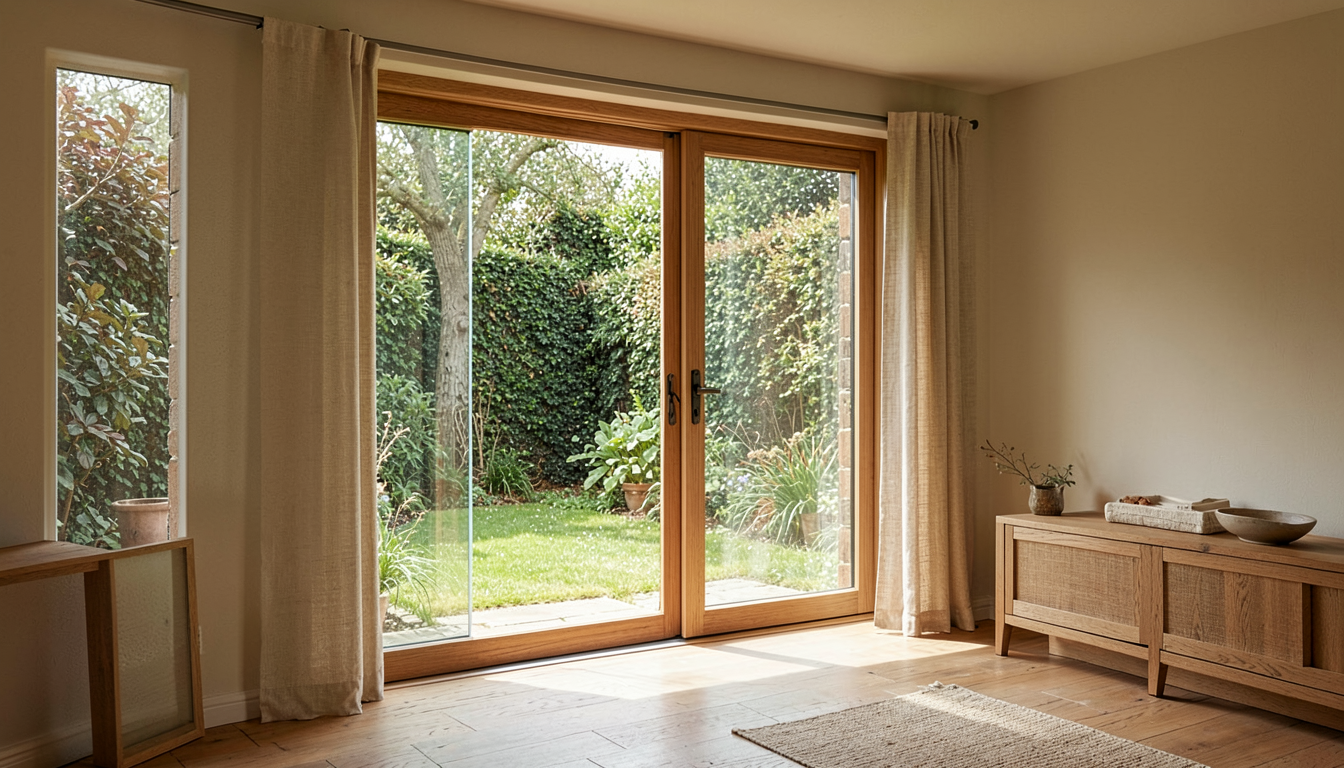
- Floor-to-ceiling glazing merges indoor and outdoor spaces.
- Modern additions complement historic settings with thoughtful design.
- Small-space owners can maximize natural light and views.
How Does Modern Design Bridge the Gap Between House and Garden?
Floor-to-ceiling glazing is a key element in creating an open, connected living space. It allows for seamless transitions between indoor and outdoor areas by removing physical barriers that separate the home from its surroundings. This design approach enhances the overall aesthetic of the home by integrating natural elements like trees, water, or sky into everyday life.
What Role Does Floor-to-Ceiling Glazing Play in Vancouver Home Design?
Floor-to-ceiling glazing maximizes natural light and offers unobstructed views of the surrounding landscape. It creates a sense of openness, making small spaces feel larger and more inviting. This feature is especially beneficial for renters or homeowners with limited square footage because it helps to make the most of available space without sacrificing visual appeal.
How Can Historic Settings Influence Modern Home Design?
Designing a home that respects the historic setting requires careful consideration of materials and proportions. Modern additions can be integrated with traditional elements to create a cohesive look. This balance ensures the home feels both contemporary and in harmony with its surroundings, which is important for preserving the character of the area while meeting modern living needs.
What Are Some Practical Tips for Blending Indoor and Outdoor Spaces?
Use sliding glass doors to create a seamless transition between the interior and exterior. Incorporate natural materials like wood or stone to bridge the gap between modern and traditional design. Choose furniture that is both functional and aesthetically pleasing for outdoor living areas, ensuring comfort without compromising style.
How Can Renters or Small-House Owners Maximize Natural Light?
Opt for light-colored walls and flooring to reflect natural light throughout the space. Use sheer curtains or blinds that allow daylight in while maintaining privacy. Consider adding mirrors to enhance the perception of depth and brightness, making small spaces feel more expansive and welcoming.
| Feature | Description |
|---|---|
| Floor-to-ceiling glazing | Maximizes natural light and offers unobstructed views of the surrounding landscape. |
| Historic integration | Careful consideration of materials and proportions to respect the historic setting. |
| Natural materials | Incorporated to bridge the gap between modern and traditional design elements. |
| Light reflection | Using light-colored walls and flooring to reflect natural light throughout the space. |
How can I incorporate floor-to-ceiling glazing into a small home?
Consider using sliding glass doors or large windows that open fully. This allows for more natural light and creates the illusion of space without requiring major structural changes.
What materials work best for blending modern and historic design elements?
Materials like wood, stone, and metal can be used to create a harmonious blend between old and new. These choices help maintain the character of the area while allowing for contemporary living spaces.
Are there affordable ways to improve natural light in a small home?
Opting for light-colored walls and flooring helps reflect available daylight. Sheer curtains or blinds can also allow more light in without sacrificing privacy, making these changes both cost-effective and practical.
Can I still add modern features without compromising the historic setting?
Yes, by carefully selecting materials and design elements that complement the existing architecture. This approach ensures modern conveniences are added without overshadowing the historical character of the home.
What are some budget-friendly ways to create an indoor-outdoor living space?
Sliding glass doors and natural materials like wood or stone can be used at a reasonable cost. These options help extend the living area outdoors while maintaining aesthetic and functional balance.